Dahlin lives in fear of someone in his family getting sick.
The 55-year-old father of four begins his day at 5 a.m., shuttling passengers by motorcycle to their desired destinations in and around Metro Manila in the Philippines, and his workday is typically completed by 8 p.m.
On a good day, Dahlin books enough passengers to earn just over $25. With the rising cost of fuel and other expenses he incurs while on the road, this typically means he brings home $10-$12 per day.
Right now, he has only one priority as he heads out for work: Bring home enough money to ensure his family can have three meals each day.
With combined income from his wife’s informal work as a housekeeper, Dahlin can often afford fish (the cheapest meat) and white rice to feed his family.
While the price of most basic commodities has risen, the cost of one full tank of gas for Dahlin’s motorcycle, his livelihood, has also increased by about $3 a tank.
“Right now, we are more focused on providing food for our family because we need enough strength and energy to continue working every day,” Dahlin said. “That is why I pray for the safety and good health of my family because one medical emergency could greatly affect us all.”
June 17, 2026 | Child Sponsorship
Going without: the ‘cost’ of poverty
Families impacted by rising gas prices, cost of living, give up three meals a day
By Kati Burns Mallows
Right now, we are more focused on providing food for our family because we need enough strength and energy to continue working every day.
— Dahlin, Father of sponsored child in Quezon, Philippines
But what if Dahlin, whose livelihood is the family’s main source of income, is the one whose health is impacted?
He’s been forced to make sacrifices, sacrifices that he’s determined his family won’t bear the brunt of themselves — because he will.
Some days, despite having a physically taxing job, Dahlin chooses not to eat.
He knows that working on an empty stomach is not healthy for him; there are moments when he feels dizzy, weak or exhausted while driving. But he sees no other option.
“For me, it’s enough if I eat a small piece of bread or a cup of rice while waiting for passengers,” Dahlin said. “In that way, I can still save money for our household expenses, too.”
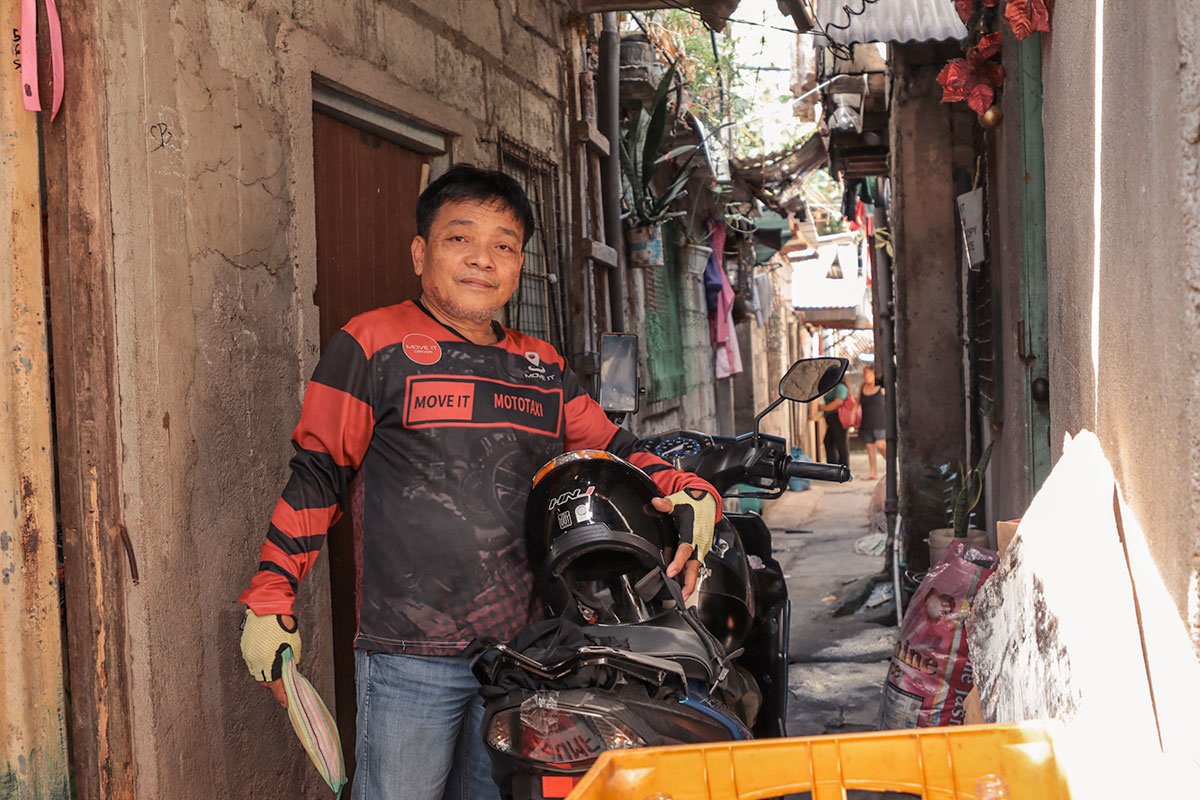
In Quezon in the Philippines, Dahlin, 55, works as a motorcycle transport rider and delivery driver to earn enough money each day to feed his family. To survive the rising cost of basic necessities and fuel, Dahlin’s family has had to give up buying vitamins, necessary medicines and better quality food.
Global energy and trade disruptions could push millions more into poverty
In May, the United Nations said that rising fuel and transport costs and trade disruptions have driven up the cost of food, transportation and essential goods worldwide, putting increasing pressure on vulnerable households in developing countries.
According to the U.N., prices have risen for global commodities like gas and fertilizer, with fuel prices now more than double the 2025 average. Households around the world are feeling the impact through rising food prices and a higher cost of living. It’s estimated that more than 32 million additional people are at risk of being pushed into poverty globally as a result.
In Unbound’s programs, most sponsored families receive their benefits monthly via cash transfers. In 2025, the organization disbursed $84.12 million in benefit transfers directly to families’ bank accounts, leaving them with the power to decide how best to use their funds.
But global increases in the cost of living recently are eroding the purchasing power of the direct cash transfer benefits. Unexpected setbacks take a disproportionate toll on people living in poverty, often destroying any headway they’ve made in improving their situations.
According to Unbound Chief International Program Officer Dan Pearson, gas prices in countries where Unbound works have been impacted more significantly than those in the U.S.
“The U.S. produces much of the gasoline it consumes, which has protected it from the price shocks experienced in countries that must import all of their oil,” Pearson said. “The price increases we have seen in recent months are beyond typical inflation.”
In Kenya, Tanzania and Peru in May, gas prices were over $6, while in Rwanda, they topped $7 a gallon. An official energy crisis in the Philippines, Pearson said, led to the government encouraging businesses to rearrange their work weeks, while in Nairobi in Kenya, major thoroughfares closed at one point due to citizens protesting rising fuel costs.
“We have felt stressed by increased gas prices in the U.S. but the economic damage in other countries has been far greater,” Pearson said.
As peace negotiations between the U.S. and Iran stagnated in early June, the war continues to drive substantial economic crises across all regions of the world.
“Those in other countries who had no voice in the decisions are carrying the largest burden,” Pearson said.
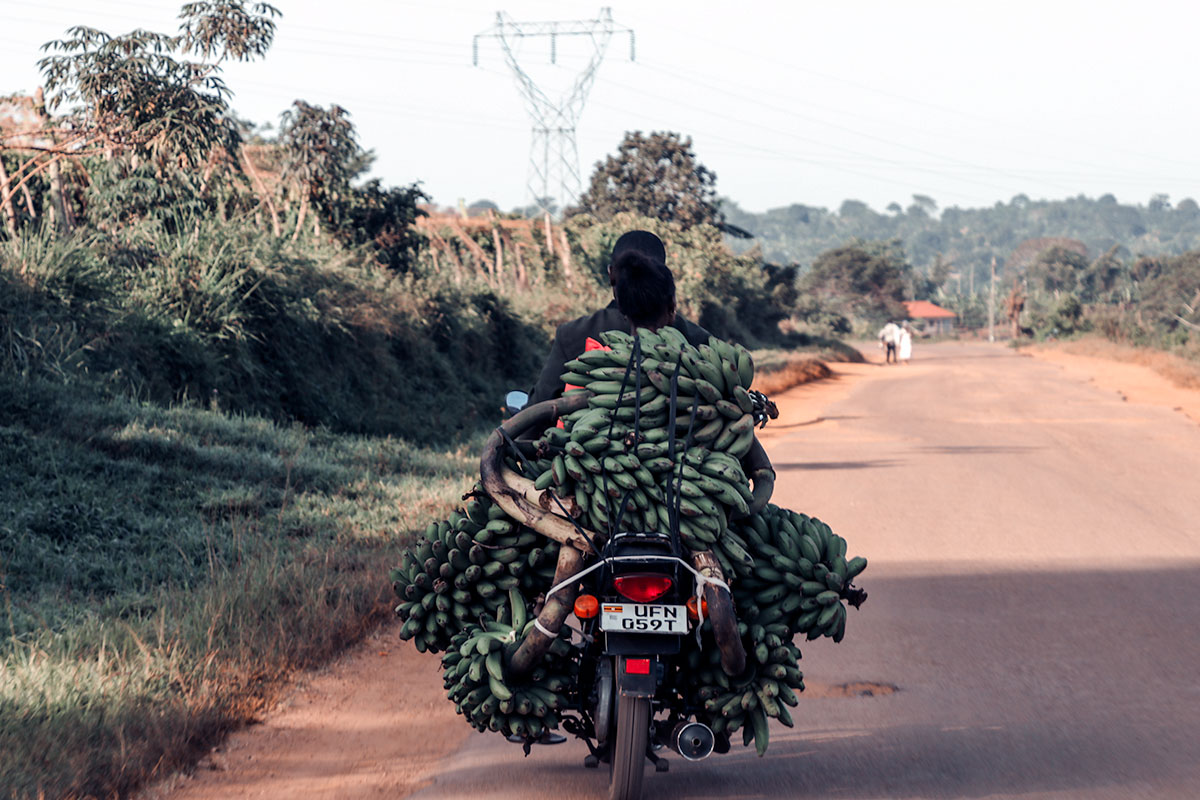
In Uganda, a motorcycle driver transports bananas to market. Energy, fuel and utilities inflation accelerated in Uganda in May to 9.1% from 6.1% in April, according to Uganda Business News.
We have felt stressed by increased gas prices in the U.S. but the economic damage in other countries has been far greater.
— Dan Pearson, Unbound Chief International Program Officer
Rising cost of living hits families living in poverty hardest
In the Philippines
Program Director Malou Navio said she has visited the homes of families in Unbound’s programs in the Philippines where children were crying because of only having plain rice with oil or soy sauce to eat daily and elders were foregoing their medications in order to afford their utility bills.
A variety of livelihoods common to the Philippines have been deeply impacted by fuel shortages.
Motorcycle, tricycle (motorbike with passenger sidecar) and jeepney drivers have particularly felt the fuel shortages in their line of work, according to Navio.
“When fuel is available, they often must buy it at up to three times the usual price, yet regulated fares remain unchanged,” Navio said. “If they raise their fares, however, they lose passengers.”
According to Navio, families who rely on fishing and farming for their livelihoods are also feeling the strain. Fishermen who can’t afford fuel for their boats are spending time paddling out to sea, resulting in smaller catches for the day. With less traffic due to fuel costs, farmers who make their living selling produce have been forced to leave their harvests along roadsides for passersby to take for free before it spoils.
In Quezon, Dahlin and his family have resorted to sometimes eating only rice for most of their meals.
“My children can go to school without allowance if needed, but they should never leave the house without eating first,” Dahlin said. “When my children complain about our food, I patiently explain to them the reality of our situation and why we need to budget carefully.”
Despite being a cornerstone of global food security and a staple in most Filipino homes, white rice has limited nutritional value when consumed over the long term and is often associated with higher risk of type 2 diabetes.
Dahlin’s family has done seemingly everything right to get ahead. In 2008, they opened a small convenience store, which helped supplement their income, until they had to close during COVID-19. The family hasn’t yet been able to raise enough capital to reopen the store.
In addition, Dahlin also enrolled in an online program to earn a college degree, which he believed would help him secure a better job. However, upon graduating and applying for jobs, the 55-year-old found his age limited his job options.
Dahlin said many passengers are now choosing cheaper transportation options, such as buses or trains, even when the travel times are longer than what it would take him to transport them by motorcycle. Dahlin is grateful when he encounters a generous passenger who tips him for his service.
“Through those extra tips, I can sometimes earn enough money to buy meat and cook a better meal for my whole family,” he said. “Despite our poverty, I always make sure that my family is safe, God-fearing, content with what we have and able to eat three meals a day.
For me, those simple things are already a blessing.”
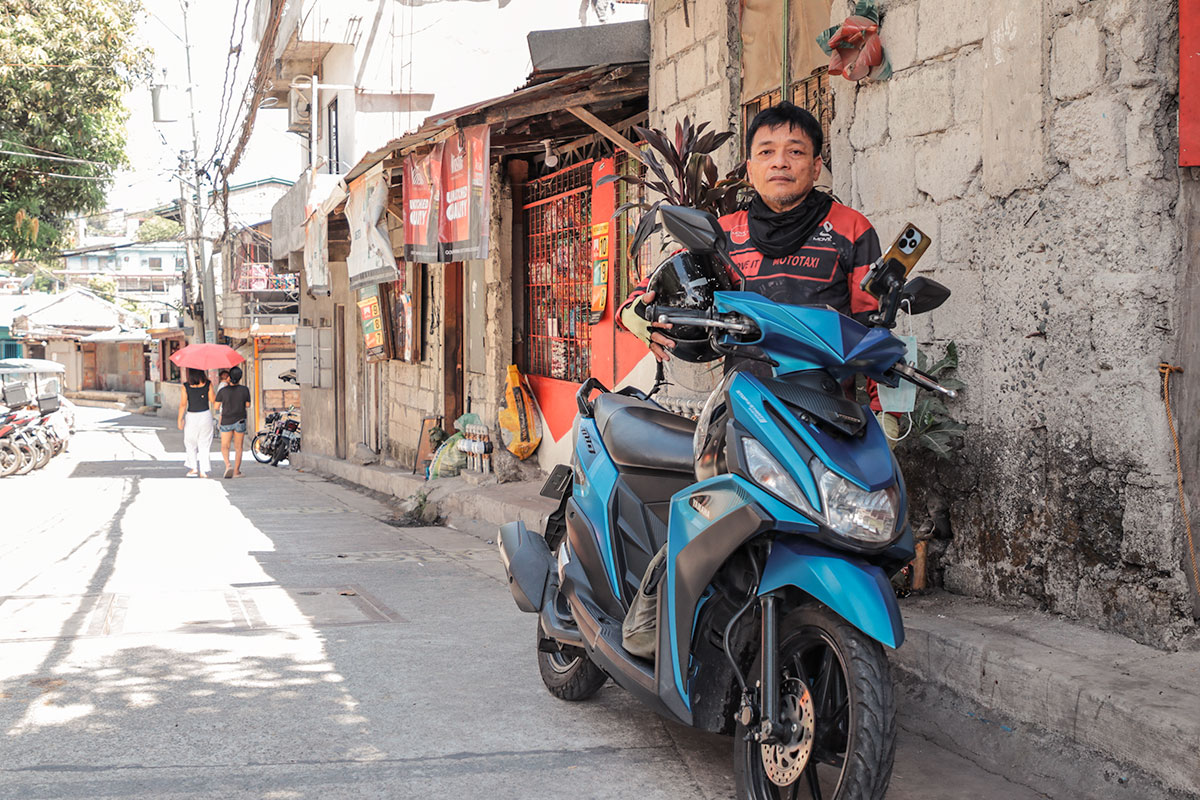
Dahlin’s work as a motorcycle transport driver requires long hours of driving and patience during heavy traffic times. He is exposed to the sun, exhaust fumes and dangerous locations daily.
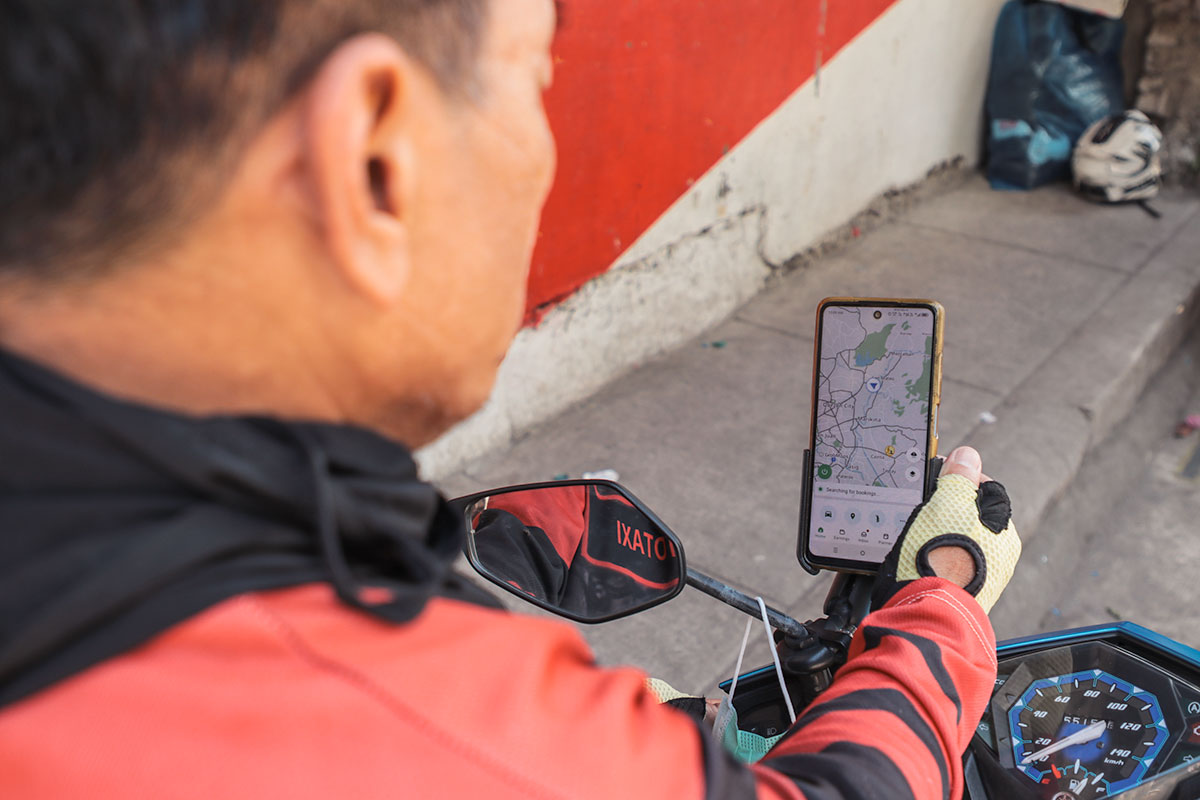
Besides the increasing fuel prices, Dahlin must compete for passengers with unregistered transport drivers whom he says are “only trying to provide for their families, too.”
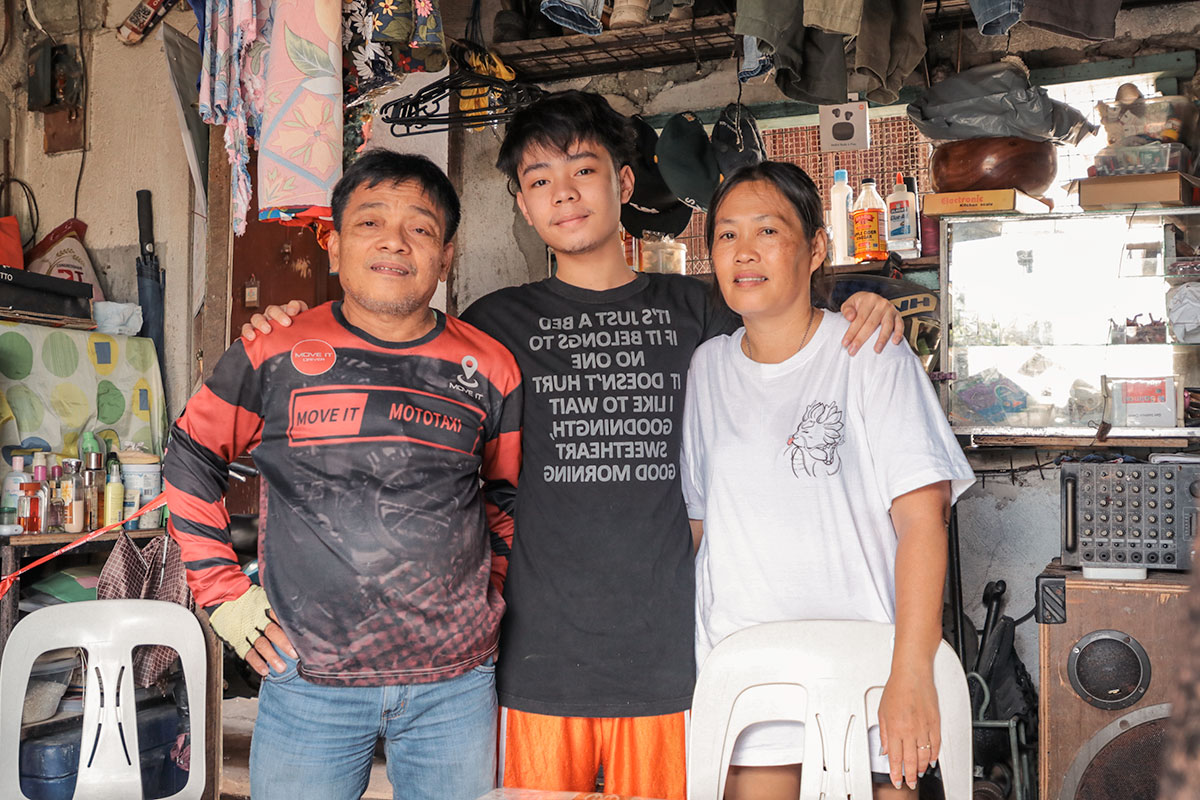
Dahlin with his wife, Jinky, and their son Dahlin Jr., who is sponsored through Unbound.
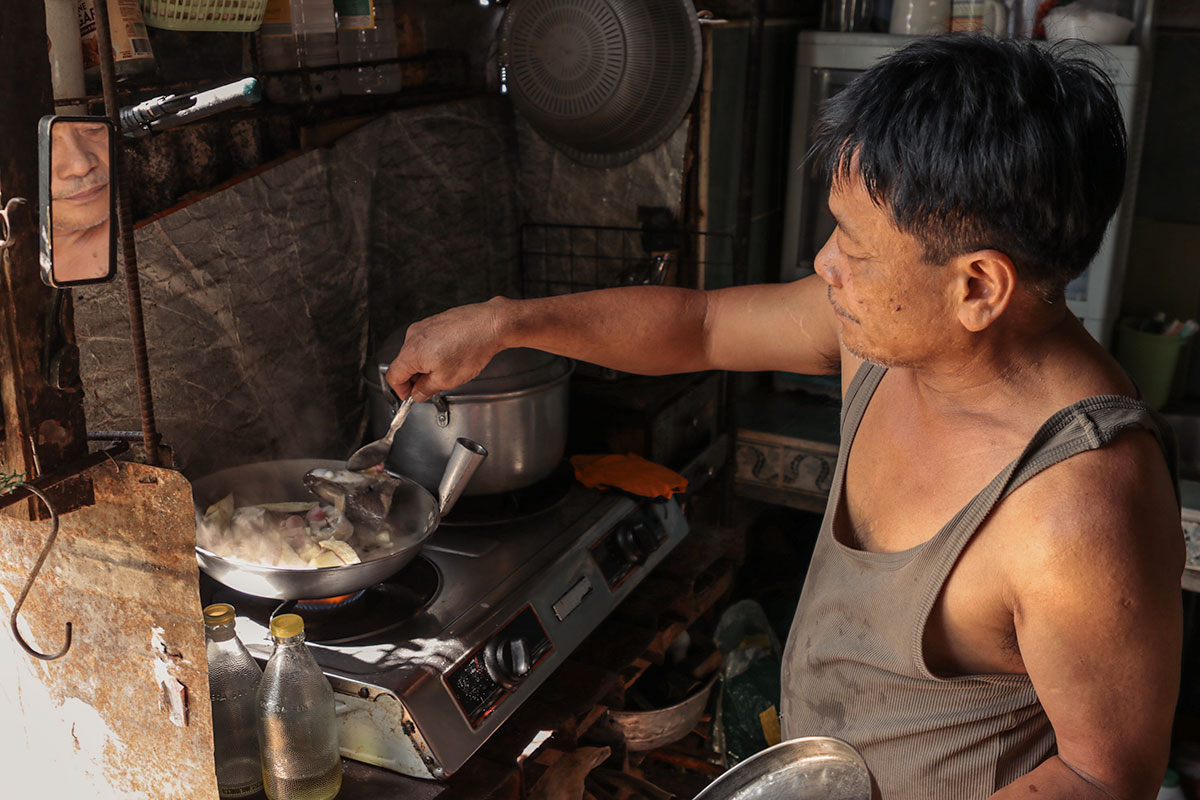
Dahlin cooks a dish called “paksiw nab angus,” milkfish stewed in vinegar. Milkfish is considered inexpensive in Dahlin’s area of the Philippines and is widely accessible as it is the country’s most heavily farmed fish.
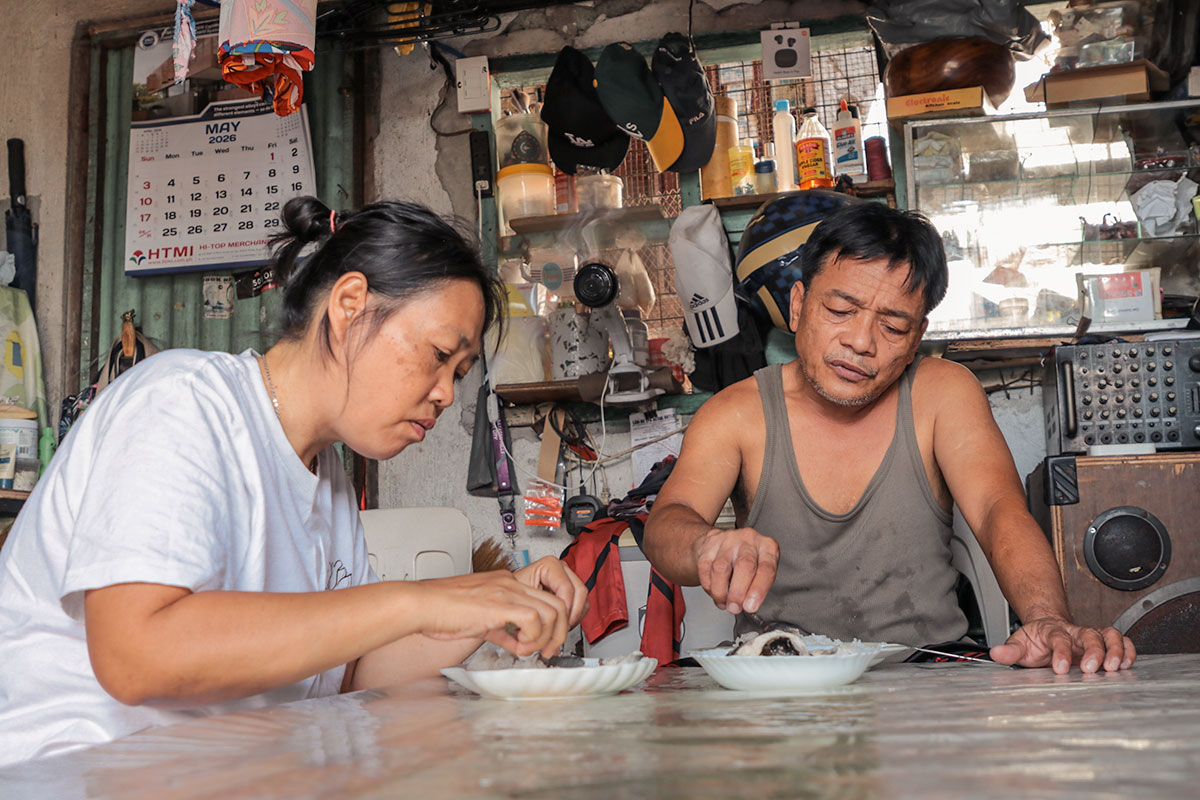
Dahlin and Jinky settle in to eat a breakfast of milkfish and white rice. The family has had many days recently where all they can afford to eat is a meal of white rice.
In Kenya
In Kenya in Africa, fares for public transportation (known as “matatus”) have risen by 50%, according to Unbound Regional Reporter Nickson Ateku.
Many families who live in informal settlements in Kenya and rely on public transportation to travel daily into urban industrial areas in search of work have been hit hardest by the surge in fuel prices and cost of living.
Stacey, who is the mother of Unbound sponsored youth Paul, has begun walking each day to reach her desired destination for informal work, as the family cannot afford the cost of both transportation and food.
She makes roughly $70 a month right now, down from $100 a month. She had to downsize her poultry business because chicken feed and vaccinations had become too expensive.
The cost of basic necessities such as maize flour, rice, sugar and cooking oil has also increased. Stacey spends roughly $10 per week on food, which has now gone up to $20 per week. To accommodate the higher prices, the family has begun consuming only two meals a day, cutting out lunch and only eating breakfast and dinner.
In mid-May, four people died and 30 others were injured when police clashed with protestors in Kenya’s capital over rising costs of fuel. Commuters were stranded in many suburbs, while protestors burned tires and attacked motorists.
Though safe from the violence, Stacey and her husband couldn’t leave their home for a few days to secure much-needed work.
“Life has become very difficult,” Stacey said. “I have seen some people struggling turn to begging.”
Jacinta Ngima, a social worker in Unbound’s Nairobi program, said families in Unbound’s programs are facing many challenges right now, but the largest one is nutrition.
“Getting three meals a day, especially a balanced diet, is becoming a challenge,” Ngima said. “Even if a supporter gives $1 or $5, this is not small to the families; it will help most of them to not sleep hungry, and they appreciate it.”
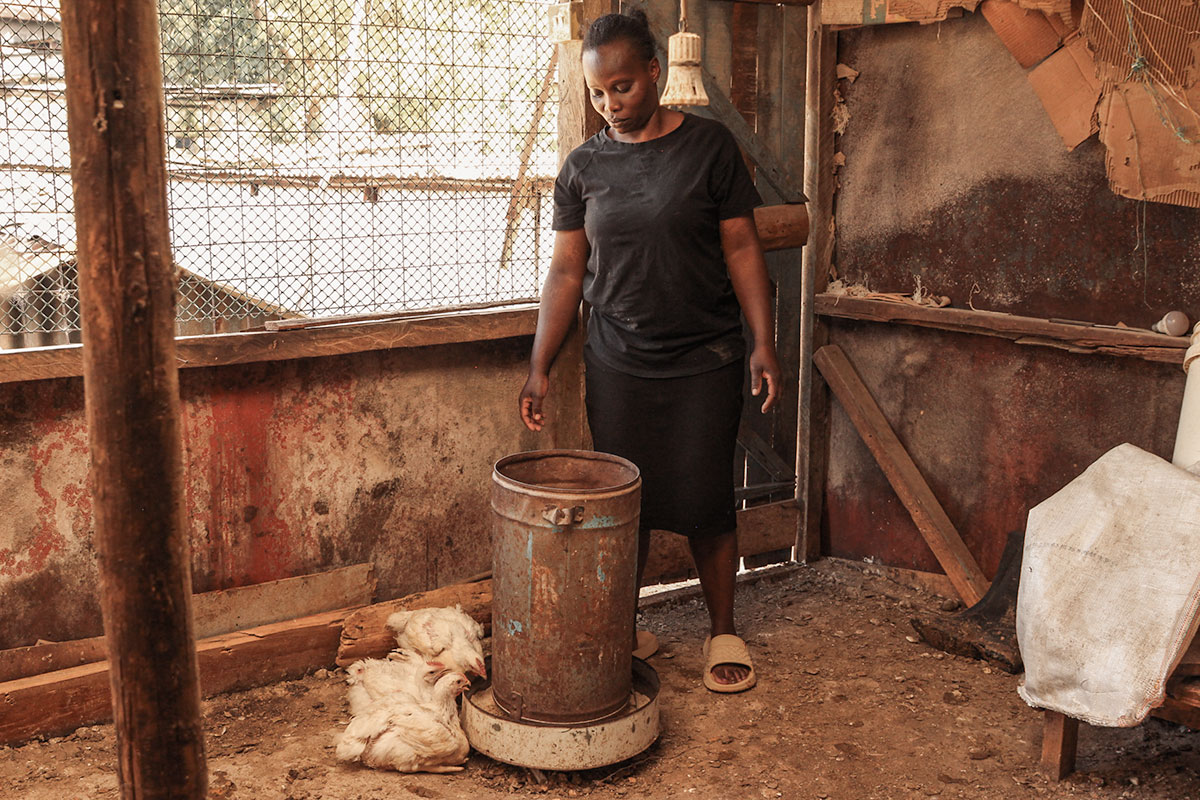
Stacey cares for the remaining three chickens she has from her poultry business. The cost of production has risen too high for her to continue operating.

Stacy stands in front of her family’s now empty cupboard where she once kept their food supplies such as sugar and flour. Stacey has resorted to eating only two meals per day.
In Latin America
In Santa Ana, in El Salvador, and Guatemala, Unbound staff said that the capacity for families to save — something that is essential for them to be able to overcome poverty in the long run — has decreased.
According to Karina Hernández with Unbound’s Santa Ana program, families are using their sponsorship benefits largely to prioritize food first, then education for their children.
“Often, we think global situations won’t affect us, but in the end, the final consumer is the one most affected,” Hernández said. “Twenty dollars used to cover food, medicine and education, but now it buys much less, and families are sometimes sacrificing [their health] for food.”
In Unbound’s Guatemala program, staff member Irma Elizabeth Chox Tambriz said families are not able to save and are typically not having balanced meals.
“Everything the [parent] earns, the family is [using] it in a day,” Tambriz said. “That is why they do not have a complete meal that includes meat and a variety of vegetables; most families can only [afford] meat once a week.”
Elena, the mother of sponsored child Angie, said her family of five sustains themselves by largely consuming corn and beans at each meal. Elena’s husband works in sales, while Elena has a variety of informal jobs, including operating a fruit stand.
Her husband’s job requires him to travel daily, but fuel prices have risen to the point that his employer started asking employees to pay for their own fuel. With his income, he pays for the families’ utilities, while sales from Elena’s fruit stand are typically used to buy their daily meals.
On a good day, Elena can make $66. The family’s weekly spending budget is between $26-$46.
However, with the rise in food prices — including fruits, dairy, eggs and meats — Elena has also had to increase her price points.
“I increased my prices, but not by much,” Elena said. “I have to think of the customers, too, and what they can afford. We are minimizing our own purchases now.
“Despite that, we have to continue, we have to look for strategies to move forward … we will continue living, even if things go up or down.”
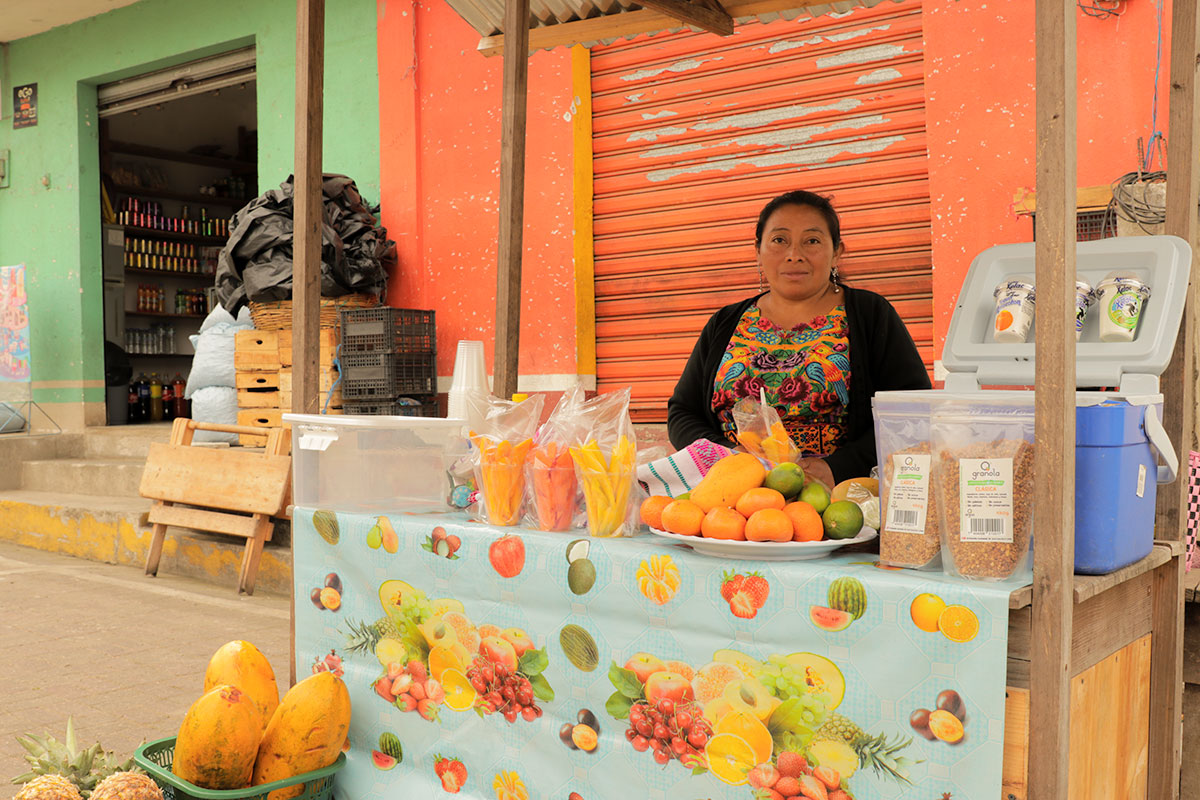
In Guatemala, Elena uses the daily profits from her fruit stand to buy food for her family’s meals each day. With the increasing cost of living, however, she’s had to increase her prices and minimize food purchases for her own family.
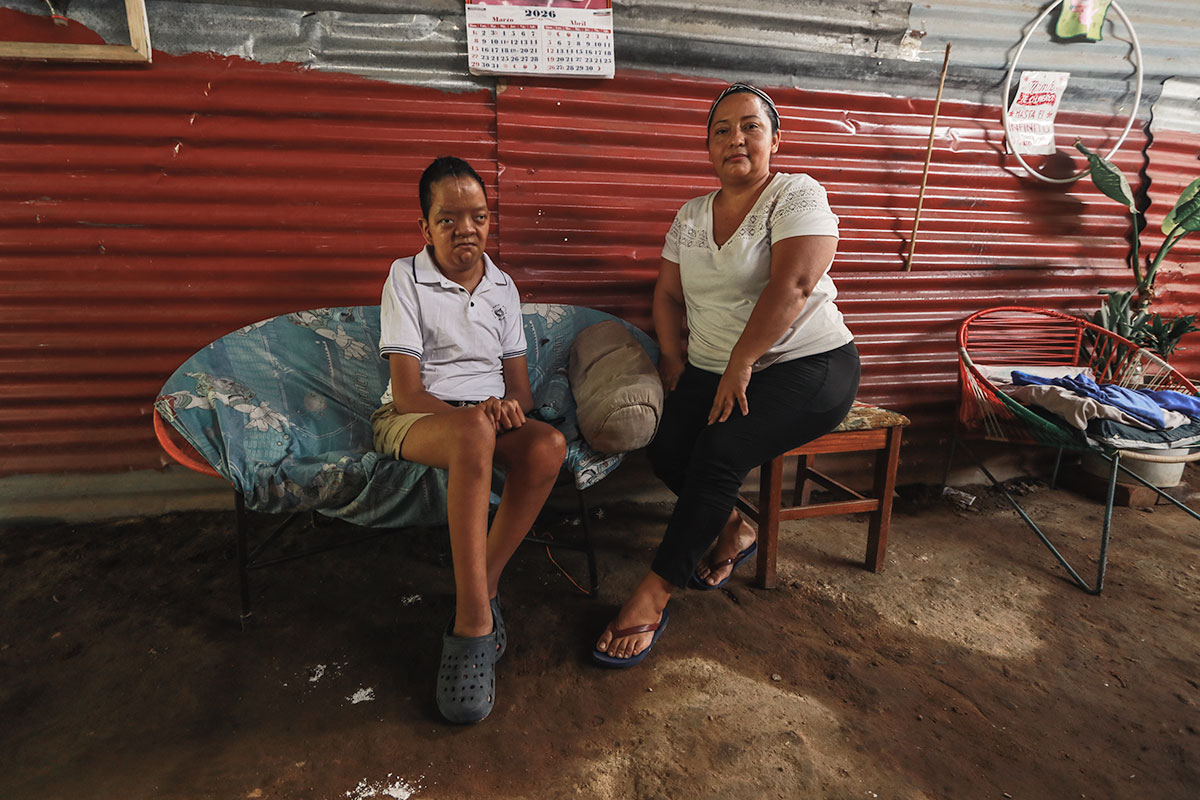
In El Salvador, Celia, a widow and mother of a sponsored child who has special needs, said her family is barely staying afloat right now with the income she earns from selling lunches and desserts in her community. She has found ways to bargain shop for the ingredients she needs to make the lunches.
How Unbound is responding and how you can help
In March, before the additional havoc caused by the Mount Mayon volcanic eruption in the Philippines, Navio requested assistance from Unbound’s Critical Needs Fund to support families hit hardest by the rising gas prices.
In Guatemala, Tambriz said staff are teaching families how to plant and maintain family gardens to consume what they grow, and they’ve used assistance from the Critical Needs Fund to support those families struggling the most.
Pearson said, however, that the fund is not large enough to respond to the kind of price increases that have been seen around the world in recent months.
“That assistance helped, but it will not be a sustainable solution to rising prices,” he said.
In Kenya, Ngima said staff have had to get creative, to think outside of the box, to help families. They are teaching families how to stretch and diversify their incomes.
In El Salvador, Hernández said families are leaning on their life maps from the Poverty Stoplight survey to plan out how to use their resources. The local agricultural school has also been teaching rural families organic farming techniques to reduce costs and improve harvests.
Hernández said she thinks it’s essential to encourage families to “keep hope alive, and that sponsorship support, “no matter how big or small, truly saves lives.”
“Even in poverty and with many needs, it’s important to feel peace in our hearts and love,” she said. “And to share that love with those around us, to foster a society that supports one another.”
You can help Unbound families struggling now to overcome financial challenges due to the rising costs of living by increasing your sponsorship amount by even a few dollars and/or giving to Unbound’s Critical Needs Fund.
Follow the steps below to increase your sponsorship amount:
- • Visit Unbound.org/ICanHelp to log in to your Unbound account.
- • Under "My Commitments," click the plus sign next to the monthly contribution amount for your sponsored friend.
- • On the "Increase Monthly Amount" screen, click the plus sign again to increase your support.
- • Click save.
If you're not already a part of supporting families in overcoming challenges of poverty, begin a sponsorship today.
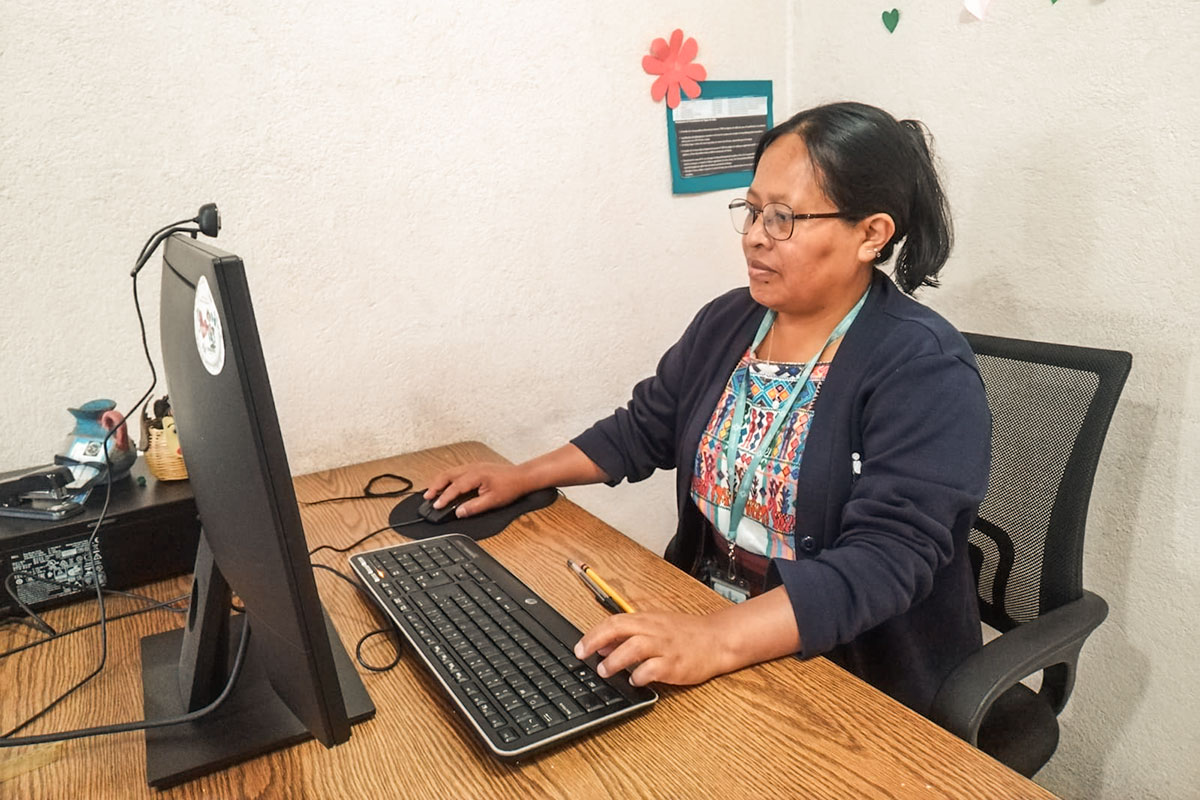
In Unbound’s Guatemala program, staff member Irma Elizabeth Chox Tambriz said some families have had their nutrition supported with the Critical Needs Fund.
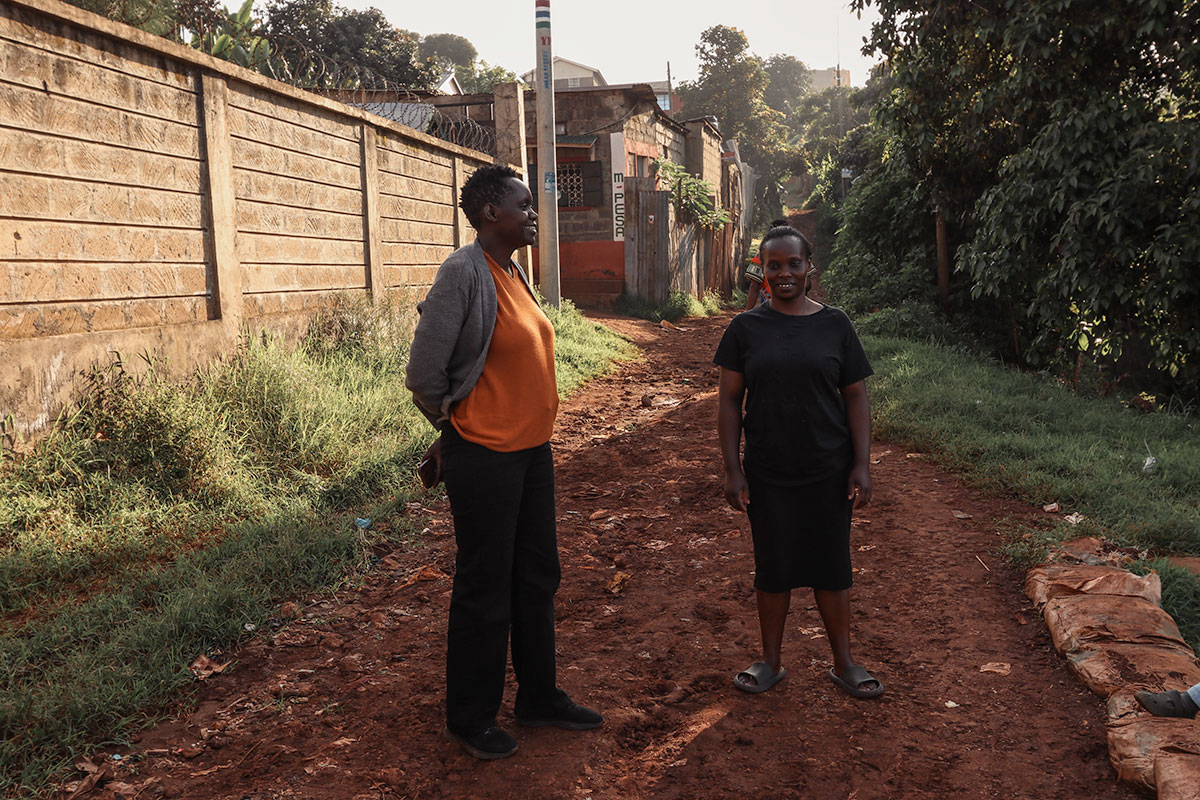
In Kenya, Unbound social worker Jacinta Ngima (front, left) pays a home visit to Stacey, the mother of sponsored youth Paul. Stacey has resorted to eating only two meals a day due to rising food costs. Ngima said local staff have had to come up with creative solutions to help families improve their nutrition during this time.
Unbound Field Communications Director Henry Flores and regional reporters Oscar Tuch, Josue Sermeño, Tristan John Cabrera and Nickson Ateku contributed information and photos for this story.